Introduction: 9 Best Productivity Apps

In the hyper-connected and demanding professional and educational environment of 2025, maximizing efficiency is no longer a luxury—it’s a necessity. Whether you’re a professional managing complex projects or a student aiming for Industry 4.0, the right digital toolkit is your greatest asset.
After personally testing over fifty different apps over the past year, the top nine best productivity apps have been selected. This comprehensive guide details the best productivity apps of 2025 by outlining the top productivity apps for students, identifying the best productivity apps available for free, and including specialized software needed for managing small businesses and achieving personal excellence.
Here are the top 9 essential tools for productivity in 2025 that deliver results for consistent focus, organization, and efficient workflow.
Best Productivity Apps for Task Management and Documentation:
For true efficiency, you need a reliable system for collecting ideas, managing daily tasks, and documenting long-term knowledge. These first three tools are undeniably successful in building this foundation.
1. Notion: Your Customizable Knowledge Center
Notion holds its own as a versatile and aesthetically pleasing productivity hub. It’s more than just a note-taking tool; it’s a customizable workspace where you can create wikis, manage projects, and track habits using flexible database features.
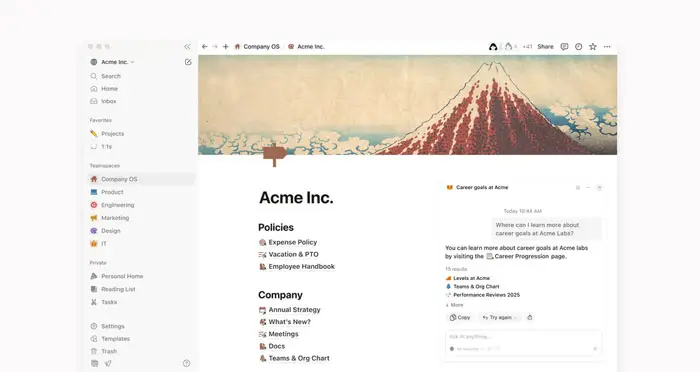
- Why it’s a must-have: It’s often considered the best productivity software because it seamlessly blends databases, documents, and task lists. For students, its template library and complex organization capabilities make it one of the top aesthetically pleasing productivity apps for students and a powerful hub for research and lecture notes.
- Cost/Compatibility: Notion offers a generous free tier with incredible functionality, making it one of the best free productivity apps and one of the best free productivity apps for students. It works on desktop, mobile (iOS and Android), and the web.
2. Todoist: The King of Task Capture
For simple yet powerful task management, Todoist remains a perennial top contender. The source material’s author calls it “the best task management software ever.” Todoist is primarily used for complex, multi-step projects that require assignment, and for recurring tasks.
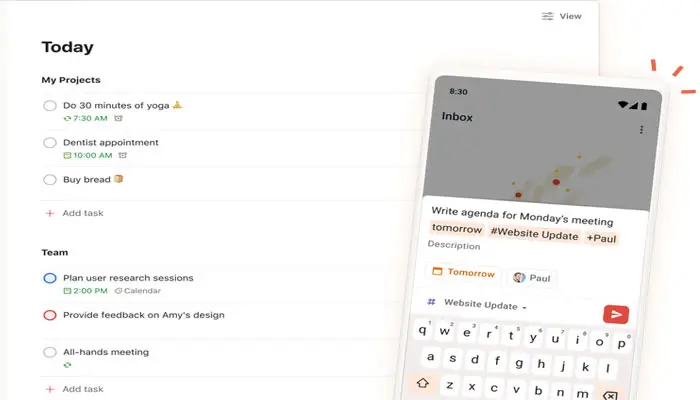
- Why it’s a must-have: Its clean interface and natural language input simplify the process of adding, prioritizing, and organizing tasks, making it a must-have task management software. It’s great for personal use and is consistently recommended in Reddit threads for productivity-boosting apps.
- Cost/Compatibility: Todoist has a great free plan and is cross-platform, making it one of the best productivity apps for Android and one of the best for iPhone users.
3. Apple Reminders: A Quick Capture Tool
Sometimes, the best tool is one you already have and can access in 2.5 seconds. For quick and hassle-free task capture, the built-in Apple Reminders app is a lifesaver for iOS users.
- Why it’s important: It acts like a writer’s “second brain,” used to quickly jot down tasks and ideas on the go, often using smart lists and flags. This reduces friction and helps maintain a direct connection in your productivity chain. It’s perfect for small, non-project-related tasks.
- Cost/Compatibility: It’s completely free with macOS and iOS, making it an ideal and easily accessible choice among the best free productivity apps and best productivity apps for iPhone.
Read Also: Essential MacBook Shortcuts for Everyday Use
Best Productivity Apps for Focus, Flow, and Time Management:
To be productive, you need to manage your attention. These tools are dedicated to time-blocking and accountability—the real drivers of apps for deep work and productivity and focus.
4. Sunsama: Daily Planner
Sunsama is a daily planner and calendar tool designed to help you organize your workday. Its main strength lies in its ability to pull tasks from other tools—like Todoist and Notion—and place them directly on your calendar for time-blocking.
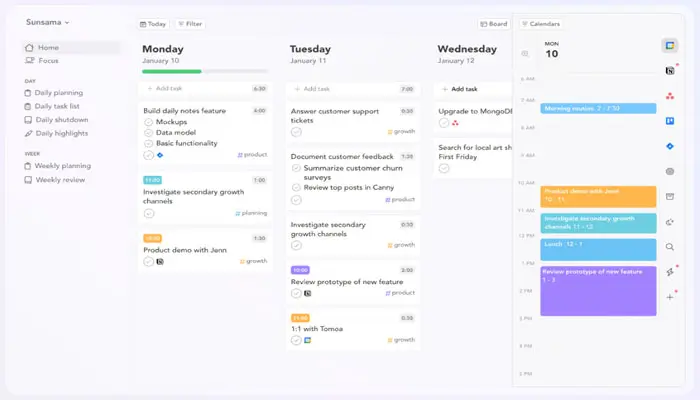
- Why it’s important: It creates a habit of daily planning, helping you schedule work around your scheduled meetings and ensuring you have time for your most important tasks. It’s an effective tool among apps for time management.
5. Focusmate: Accountability Partner
Focusmate is a virtual co-working service that connects you with an accountability partner via video call to work on your personal tasks. This app is designed to help users overcome procrastination and stay focused through the principle of “body doubling,” where the presence of another person boosts motivation.
- Why it’s important: It’s a simple solution for overcoming procrastination and leveraging social accountability to get down to deep work. This unique service provides an effective environment for apps to improve productivity and focus.
6. Google Calendar: The Central Hub
Despite being deceptively simple, Google Calendar is still the standard for scheduling and time management. It’s used to schedule appointments, meetings, and even block out personal time.
- Why it’s important: Its integration with almost every other tool on this list (including Sunsama) makes it an indispensable master calendar for your life. It’s completely free, highly reliable, and available on all devices, making it a top choice among the best free productivity apps for Android.
Read Also: The 5 Best Laptops for Students in 2025
Specialized Communication and Professional Tools:
The last three of the top 9 best Productivity Apps recommended by experts focus on specific business communications and efficiency, which are crucial for business productivity.
7. Spark: Email Tamer
Spark is an advanced email client designed to manage multiple email accounts and keep your inbox focused.
- Why it’s a must-have: Its “Focused Inbox” feature filters out distractions, while tools like “Send Later” and quick reply templates increase email efficiency. This is an excellent example of a high-value productivity app for personal use that helps you stay focused by controlling your annoying inbox.
8. Loom: Video Messenger
Loom is an easy-to-use tool for recording your screen, camera, and microphone.
- Why it’s important: It lets you communicate complex ideas or provide instant feedback via video, instead of writing long emails or scheduling meetings. This saves a significant amount of time and is a key productivity tool for remote teams.
9. Buffer: Social Scheduler
Buffer is a social media management tool used to schedule and publish content across various platforms.
- Why it’s important: For creators and small businesses, efficiently managing a social media presence is a major part of productivity. Buffer allows batch creation and scheduling, ensuring consistent online activity without any constant interruptions.
Read Also: How to Increase Battery Life of Any Smartphone (Proven Tips for iPhone & Android)
Beyond the Top 9 – Industry-Specific Productivity Tools
For comprehensive coverage, true productivity often involves leveraging powerful software for team and business operations. Here’s a look at specific software categories that align with the theme of the best productivity apps/software for 2025.
Project Management Software Tools
Notion and Todoist cover individual task management, while scaling requires a dedicated project management software tool. The best project management software options for small to growing teams include:
- ClickUp: Known as an all-in-one platform that integrates tasks, documents, and goals, ClickUp is highly customizable and offers a free plan, making it a powerful option among free project management software.
- Asana: Excellent for task and workflow management, providing robust reporting on team performance and efficiency.
- Trello: A well-known tool for simple Kanban-style project organization, highly attractive, and featuring a generous free plan.
- Zoho Projects: An affordable and resourceful PM tool that includes task lists, milestone tracking, and time tracking, perfect for small and growing teams with tight budgets.
Frequently Asked Questions (FAQ) :
- What is the No. 1 productivity app?
A: There’s no single “number 1” productivity app, as the best app depends on your specific needs. Popular and highly rated apps include Todoist for task management, Notion for notes and project organization, Google Calendar for scheduling, and Microsoft To Do for basic task lists.
- Which is the most used app in 2025?
A: While no single app will definitively be the “most used” globally by 2025, the apps with the most user engagement and downloads include Facebook, YouTube, and WhatsApp.
- How to be more productive in 2025?
A: To be more productive in 2025, focus on planning your day, managing distractions, and using efficient work methods like time blocking and task batching.
- What is the #1 productivity app?
A: There’s no single “#1 productivity app,” as the “best” app depends on individual needs, such as task management, note-taking, or communication. Notion and Todoist are often cited as top contenders for all-around use. While Notion excels at combining notes and databases, Todoist is a leading choice for task management.
- What is the best tool for productivity?
A: There’s no single “best” productivity tool, as the ideal choice depends on individual needs, but some top contenders include AI assistants like ChatGPT for content creation and problem-solving, and integrated platforms like Trello or ClickUp for project and task management.
- Is ChatGPT a productivity app?
A: Yes, ChatGPT is a productivity app because it can perform a variety of functions to increase efficiency, automate workflows, and aid in content creation, research, and organization. It helps users process information faster, summarize documents, brainstorm ideas, and even save time debugging code.
- What is the productivity tool for ADHD?
A: A popular and effective productivity tool for ADHD is the Pomodoro Technique, which involves working in timed intervals of about 25 minutes followed by short breaks.